Total Handbook to Hair Waxing Hair Removal Services: Say Farewell to Undesired Hair
The "Ultimate Guide to Waxing Hair Removal Services" presents a detailed framework of reliable hair removal techniques. It stresses the weight of selecting the proper type of wax personalized to unique needs. Grasping the waxing process and the vital maintenance can amplify results. Moreover, many misconceptions about waxing endure. Examining these topics can enable clients comprehend their options and achieve glossier skin. What insights might transform their opinion of waxing?
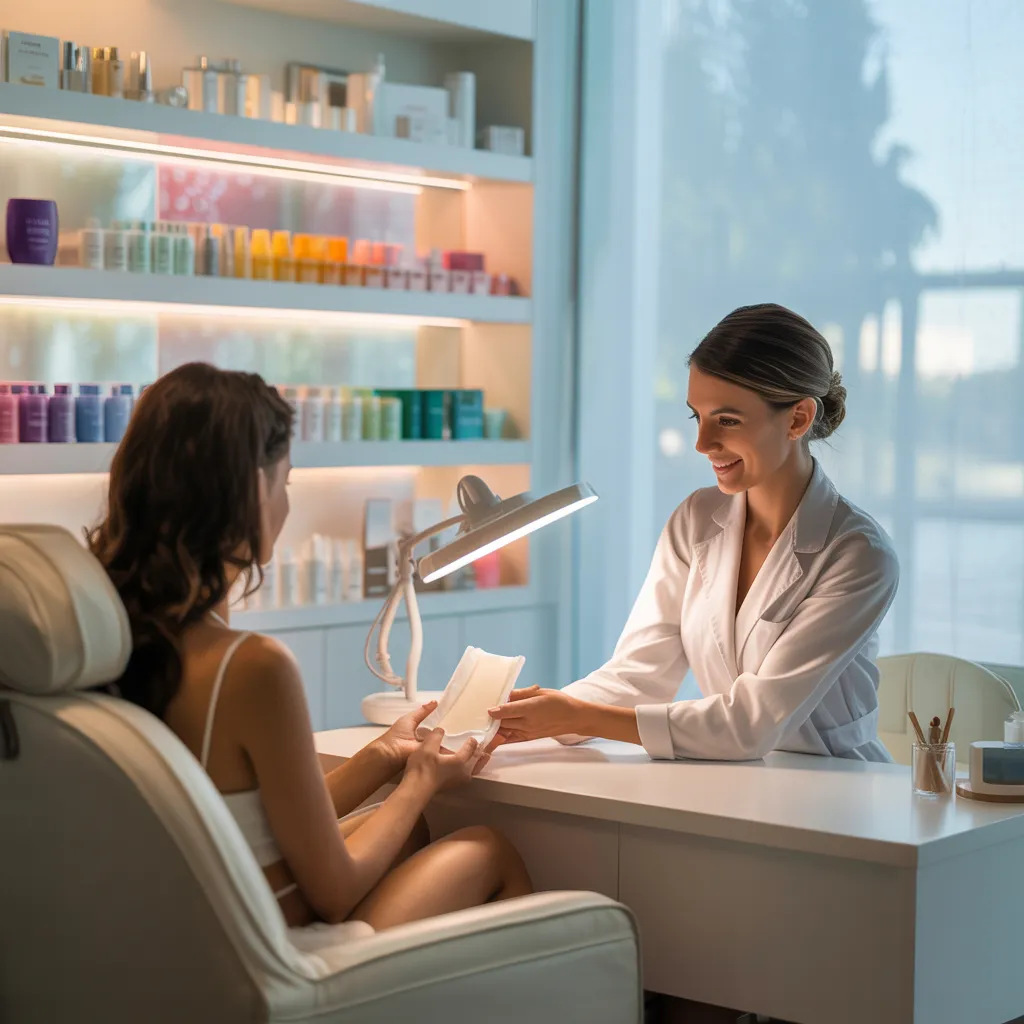
Why Picking the Correct Wax is Crucial for Your Hair Removal Process
Picking the right wax is necessary for an effective hair removal session. The type of wax chosen can greatly affect both the ease while the process and the results achieved. Various formulations, such as hard wax and soft wax, suit varying hair types and skin sensitivities. Hard wax sticks to the hair rather than the skin, making it suitable for sensitive areas, while soft wax is often chosen for larger body areas due to its proficiency.
Furthermore, the choice of wax can affect the duration of hair-free skin. A high-quality wax can minimize the risk of ingrown hairs and skin irritation, promoting a smoother finish. Additionally, some waxes include soothing ingredients that can calm the skin post-treatment. Ultimately, understanding these factors allows individuals to choose a wax that aligns with their specific needs, improving their overall hair removal journey.
Picking the Appropriate Waxing Service Based on Your Desires
Deciding on the ideal waxing choice requires deliberate assessment of assorted factors. Skin type exerts a vital role in pinpointing the most suitable methodology, while understanding distinct waxing methods can elevate the entire experience. Likewise, appraising the qualifications of service providers guarantees a risk-free and accomplished hair removal undertaking.
Take into account your skin type when selecting beauty items. Different skin types need particular formulations. Skin that is oily works well with lightweight products. Dry skin requires rich hydrating solutions. Sensitive skin demands gentle and non-irritating options.
Understanding one’s skin classification is essential for an efficient waxing experience. People with fragile skin should opt for gentle wax formulations, such as non-allergenic or cool waxes, to minimize irritation. Conversely, those with typical skin may handle regular waxes, which can remove hair efficiently without adverse effects. Oily skin types may prefer milder waxes that attach more securely, while dry skin may need emollient products to reduce discomfort during the process. Additionally, individuals with conditions like eczema or psoriasis should consult with a professional to find out the safest options. By selecting a waxing service tailored to one’s specific skin type, clients can achieve excellent results while reducing the risk of negative reactions.
Learn Hair removal Techniques Explained
Diverse waxing techniques cater to varied hair types and body areas, making it important to connect the method with distinct needs. Hard wax, frequently favored for sensitive areas, latches onto hair rather than skin, easing discomfort. Soft wax, in contrast, is reliable for broader areas like legs and arms; it necessitates a cloth strip for removal. Sugaring, a more natural option, uses a sticky paste made from sugar, lemon, and water, appealing to those seeking organic options. For coarse hair, a combination of techniques may be recommended to promise thorough removal. Appreciating these distinctions helps clients opt for the most suitable waxing service, elevating their overall experience and satisfaction with the results.
Service Provider Certifications
Locating the ideal waxing service is essential for obtaining ideal results and ensuring a enjoyable experience. Clients should focus on service providers with proper preparation and certifications in waxing techniques. Experienced professionals know skin types and hair growth patterns, allowing them to tailor services successfully. Additionally, examining licenses and compliance with health regulations is important for security and health. Reviews and suggestions from previous clients can present beneficial understanding into a provider's expertise and customer service. It is also helpful to assess the salon's cleanliness and atmosphere, as a welcoming environment promotes a positive experience. By weighing these credentials, individuals can confidently pick a waxing service that meets their specific needs and preferences.
What Takes Place During Your Hair Removal Session?
During a waxing session, customers usually start with a pre-waxing consultation to talk about their skin type and any concerns. This ensures a customized method to the waxing treatment. After the service, professionals offer post-waxing care tips to improve outcomes and reduce discomfort.
Pre-Waxing Consultation Process
What should one expect from a pre-waxing consultation? During this initial meeting, the esthetician obtains essential information to tailor the waxing experience. Clients are asked about their waxing history, skin sensitivities, and any medications that may impact the process. The esthetician will explain the types of wax available and recommend the best option based on individual skin types and hair conditions. Additionally, the consultation includes a conversation of potential side effects and aftercare instructions. This is also an opportunity for clients to voice any concerns or ask questions about the procedure. Overall, the pre-waxing consultation aims to make certain that clients feel informed and comfortable before undergoing the waxing service.
Post-Waxing Maintenance Advice
After completing the pre-waxing consultation, the waxing appointment proceeds, focusing on the core treatment. Proper post-waxing care after waxing is essential to ensure skin health and ease. Clients should stay away from heated water baths, saunas, and vigorous workouts for at least 24 hours to decrease irritation. It is also wise to avoid exfoliating products or caustic chemicals on the treated area for a few days. Using a gentle moisturizing lotion can help alleviate any redness or discomfort. Furthermore, wearing comfortable clothing helps prevent friction and irritation. If any unusual symptoms appear, getting advice from a professional is advised. By following these post-waxing tips, clients can enjoy silky skin while reducing the chance of side effects.
Recovery Tips to Maintain Radiant Skin
Proper post-treatment care is vital for achieving silky texture after wax hair removal. To minimize redness and guarantee ideal results, individuals should avoid warm baths, saunas, and strenuous exercise for at least 24 hours after waxing. This helps prevent inflammation and enables the skin to heal.
Applying a soothing moisturizer or aloe vera gel can nourish the skin and minimize redness. It is also important to steer clear of using harsh exfoliants or fragrances in the days after waxing, as these can inflame sensitive skin. Instead, opting for mild, non-comedogenic products will support healing.
Furthermore, maintaining proper hydration supports skin elasticity and general health. Wearing loose-fitting clothing helps reduce irritation and pain in the waxed area. Regular moisturizing can preserve smooth skin and prevent ingrown hairs. Following these post-wax care guidelines ensures a comfortable experience and extends the waxing results.

Top 5 False Beliefs About Waxing: What You Should Know
Is waxing hair removal truly as uncomfortable as many believe? This common myth suggests that waxing is an agonizing experience. In practice, while there may be some discomfort, many people find it tolerable, especially with regular sessions. Another misconception is that waxing leads to more hair regrowth; however, it actually weakens hair follicles over time, resulting in lighter hair growth. Some also believe that waxing is only appropriate for women, but men are increasingly opting for waxing services for various body areas. Additionally, there is a belief that waxing should only be done in salons, yet at-home kits can be effective when used correctly. Furthermore, many assume that waxing causes skin damage, but when performed properly, it is a secure hair removal method with minimal side effects. Comprehending these myths can help people make well-informed decisions about their hair removal options.
Common Misunderstandings and Legends Surrounding Waxing
Why do so many persons have incorrect beliefs about waxing? Many people wrongly think that waxing unavoidably causes discomfort, overlooking that pain levels vary based on each individual's threshold and technique applied. Another prevalent false belief is that hair grows back thicker after waxing; in truth, frequent waxing causes more delicate and reduced hair growth gradually. Moreover, some believe waxing is only only for women, but it is increasingly popular among men for different body parts.
Individuals often wrongly assume that waxing results last only a few days, when in fact, results can remain anywhere from three to six weeks. False ideas around skin sensitivity also persist, as many think waxing is unsafe for sensitive skin, while proper treatment can reduce irritation. Addressing these false beliefs is essential for making informed decisions about waxing as a depilation option.
Routine Questions Raised Frequently
How Long Do Waxing Results Usually Last?
Waxing benefits commonly stay for three to six weeks, reliant on individual hair growth cycles and the area treated. Ongoing waxing may cause finer hair regrowth over time, maximizing overall results and duration.
Is Waxing Okay During Pregnancy?
Waxing throughout pregnancy is widely accepted as safe, but sensitivity may worsen. Pregnant individuals should consult their healthcare provider before moving ahead, ensuring that any selected go now approaches are appropriate for their particular circumstances and overall health.
Can Waxing Be Safe for Delicate Skin?
Waxing can be secure for sensitive skin, but care is advised. Trying a tiny area first is recommended to gauge reactions. Choosing gentle products and consulting a professional can help reduce irritation and discomfort.
What Clothing Should I Select for My Waxing Appointment?
When attending a waxing appointment, choosing loose, comfortable clothing is advisable. This helps prevent irritation afterward. Avoid tight garments or materials that could chafe, securing a more satisfying experience during and after the appointment.
What Interval Is Ideal for Getting Waxed?
Typically, one should have waxing done every four to six weeks. This frequency allows hair to develop to an appropriate length for effective removal while minimizing discomfort and keeping smooth skin. Individual hair growth rates may vary.